Intubation:
Methods at a glance
Video Laryngoscopy
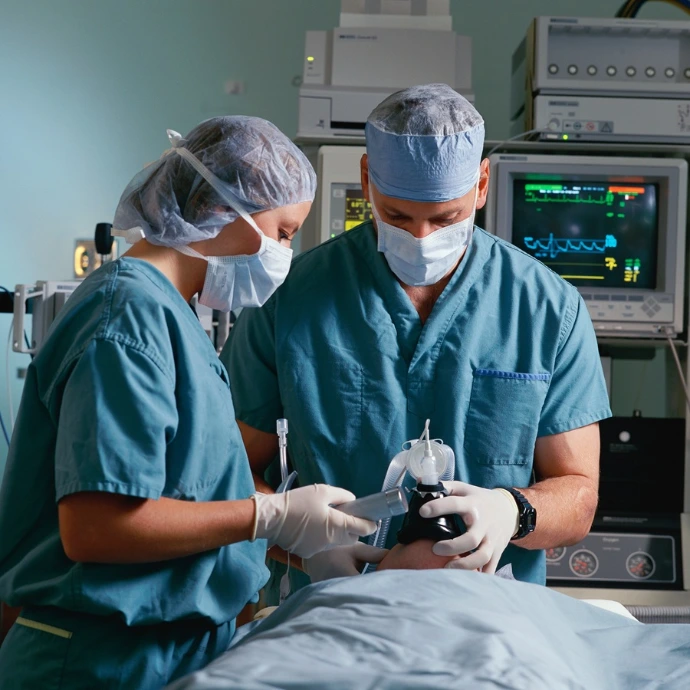
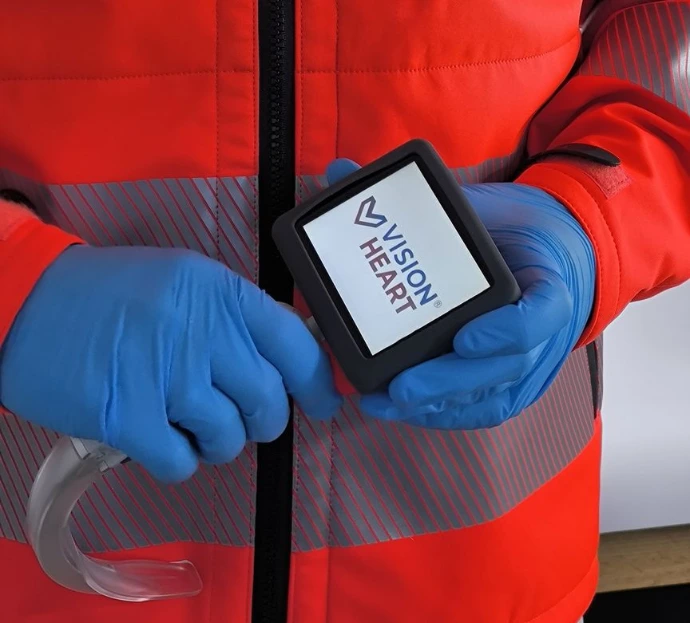
In video laryngoscopy, a laryngoscope with an integrated camera is used, allowing the vocal cords to be displayed indirectly on a screen. The video laryngoscope is inserted without the need for a direct view of the vocal cords. The tube is placed under camera guidance, and the correct position can be easily verified.
Relevance according to the S1 guideline on airway management 2023: According to the current S1 guideline on airway management 2023 the use of video laryngoscopes is particularly recommended for difficult airways. The guideline emphasizes that video laryngoscopy has a higher first intubation success rate compared to direct laryngoscopy and helps reduce complications such as esophageal misplacements or dental damage. Especially in emergency medicine and for less experienced users, video laryngoscopy is recommended as the preferred method to ensure safe intubation.
Used Products
- Video laryngoscope (e.g.VisionHEART VX series)
- Single-use laryngoscope blade
- Endotracheal tube
- Optional guiding rod (helpful in difficult airway situations)
Advantages
- Improved view of the glottis, especially in difficult airways
- Higher success rate than direct laryngoscopy
- Particularly advantageous for less experienced users
Practical Approach
- The video laryngoscope is inserted centrally, keeping the view fully directed at the screen. The glottis is identified under camera view, and then the pre-shaped endotracheal tube (hockey position) is carefully advanced through the vocal cords. After cuff inflation, position verification is done through capnography, thoracic excursion, and auscultation. Finally, the tube is secured and ventilation is continued. This method offers better visibility and higher intubation safety, especially in difficult airways.
Direct Laryngoscopy
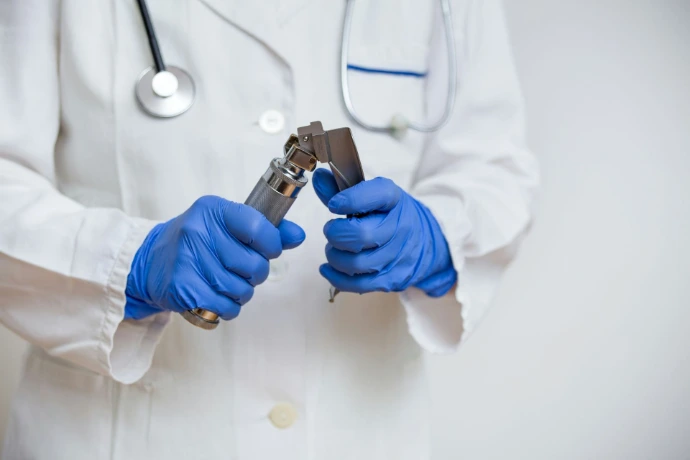
Direct laryngoscopy is the classic method for intubation, where a laryngoscope is used for direct visualization of the vocal cords. The patient is placed in the "sniffing position," with the head slightly tilted back and the neck extended. A laryngoscope with a Macintosh or Miller blade is then inserted into the mouth to displace the tongue to the side and make the glottis visible. An endotracheal tube is inserted through the vocal cords into the trachea, and the correct position is verified. Laryngoscope
Used Products
- Laryngoscope
- Single-use or reusable laryngoscope blades
- Endotracheal tube
Advantages
- Proven and widely used method
- No expensive specialized equipment required
- Quick execution by experienced users
Practical Approach
- The patient is placed in the "sniffing position," with the head slightly tilted back and the neck extended. A laryngoscope with a Macintosh or Miller blade is then inserted into the mouth to displace the tongue to the side and make the glottis visible. An endotracheal tube is inserted through the vocal cords into the trachea, and the correct position is verified, for example, through capnography or auscultation.
Fiberoptic Intubation
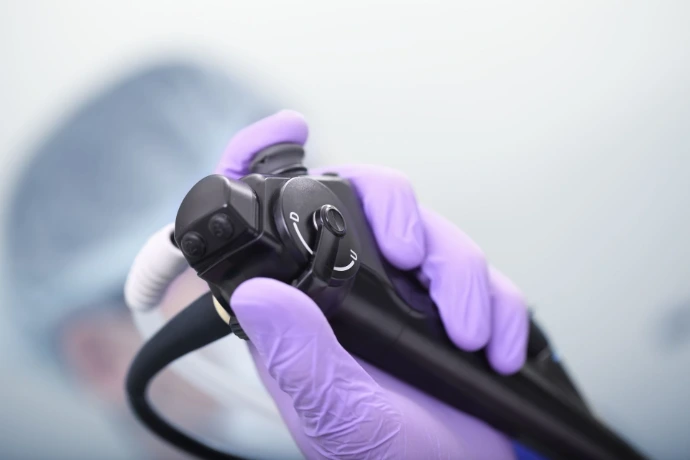
Fiberoptic intubation is performed using a flexible bronchoscope, which allows for direct visual control during intubation. The bronchoscope is inserted either orally or nasally to identify the vocal cords and advance the tube into the trachea. This method is particularly suitable for awake intubations and difficult airways, but it is more time-consuming and requires a lot of experience.
Used Products
- Flexible bronchoscopes
- Endotracheal tubes with large lumen
- Nasopharyngeal tube
Advantages
- Ideal for awake intubation
- Especially suitable for difficult airways
Practical Approach
- The bronchoscope is inserted orally or nasally until the glottis is visible. The endotracheal tube or nasopharyngeal tube is advanced into the trachea over the bronchoscope. An awake or sedated intubation can be performed, often with the support of local anesthetics to reduce the gag reflex.
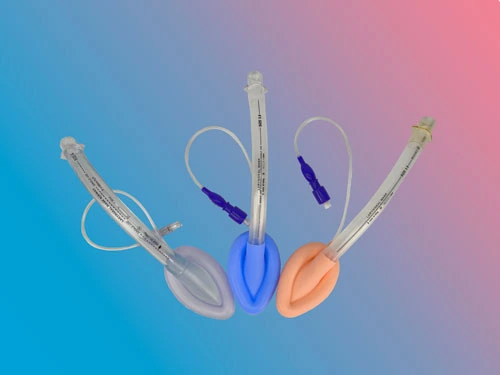
Intubation via supraglottic airways
In this method, tools such as laryngeal masks or laryngeal tubes are used, which are placed above the glottis and allow for ventilation without the tube being directly inserted into the trachea. This method represents a valuable alternative, especially in emergency situations, when conventional intubation is not immediately successful or when airway management needs to be established quickly.
Particular relevance in emergency medicine: In preclinical emergency situations or with difficult airways, supraglottic intubation represents a life-saving alternative. It is especially recommended when conventional endotracheal intubation is not immediately successful or is complicated for anatomical or traumatic reasons. The simple application also allows less experienced personnel to quickly secure the airway, making it an essential option in emergency management.
Used Products
- Laryngeal masks
- i-gel supraglottic airway device
- Laryngeal tubes for emergency medicine
Advantages
- Quick and easy to perform
- Especially suitable for emergencies with difficult airways
- No direct manipulation of the vocal cords required
- Rapid oxygenation in critical situations
Practical Approach
- After the induction of anesthesia or deep sedation, the laryngeal mask or laryngeal tube is inserted into the mouth and advanced until correctly positioned over the glottis. The correct position is verified by capnography and observation of thoracic excursion. In an emergency, a supraglottic airway device can be deployed within seconds to enable immediate oxygenation and ventilation. If definitive airway management is required, a subsequent endotracheal intubation through the laryngeal mask may be performed under certain conditions (the so-called 'Second-Step Technique').
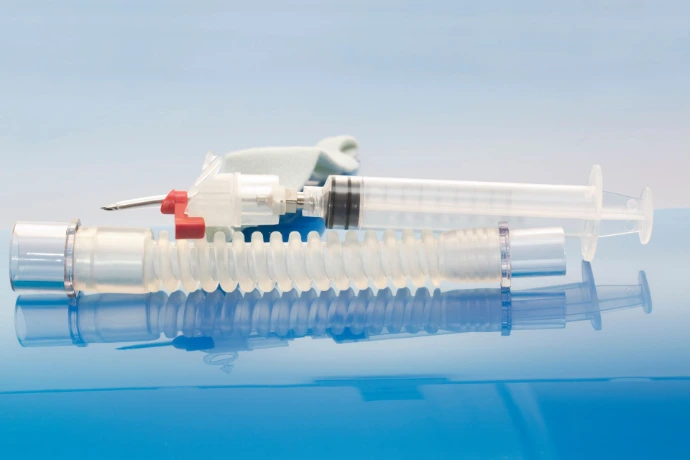
Emergency cricothyrotomy
Emergency cricothyrotomy is the last resort when no other method of securing the airway is possible. It is applied in a 'Can't intubate, can't oxygenate' (CICO) scenario. Access to the trachea is created through the anterior neck region by making a skin incision in the area of the cricothyroid ligament and inserting a tube or cricothyrotomy set.
Used Products
- Cricothyrotomy sets
- Scalpel-bougie technique
Advantages
- Life-saving in emergency situations
- Last option when no other method is possible
Practical Approach
- The patient is placed in a supine position, and the cricothyroid ligament is identified. A skin incision is made, and access to the trachea is created using a bougie or a special cricothyrotomy set. A tube is then placed through the opening and secured.
Nasotracheal intubation
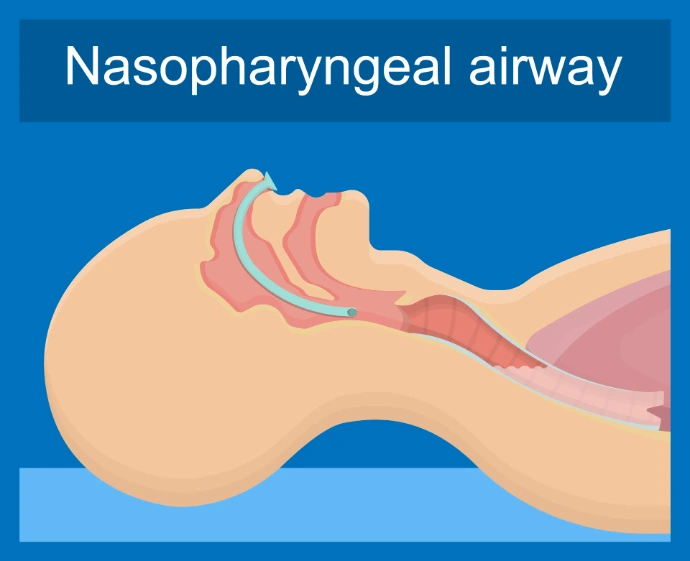
Nasotracheal intubation is performed through the nose, with the tube placed into the trachea under direct or fiberoptic visual control. After local anesthesia and vasoconstriction of the nasal mucosa, the tube is advanced through the nostril and finally positioned correctly with a laryngoscope or bronchoscope.
Used Products
- Nasopharyngeal tube
- Magill forceps
- Nasal speculum
- Suction tube
- Goose neck for tube extension
Advantages
- Ideal for awake intubation
- Especially suitable for difficult airways
Practical Approach
- After local anesthesia and vasoconstriction of the nasal mucosa, the tube is carefully introduced through the nostril and advanced along the floor of the nose. Once the tube reaches the pharynx, it is further guided with the help of a laryngoscope or bronchoscope and a Magill forceps, and placed into the trachea.

What is the best method?
The choice of the right intubation method depends on the situation, the patient's condition, and the experience of the practitioner. While modern techniques such as video laryngoscopy and fiberoptic intubation improve safety and success rates, direct laryngoscopy remains a proven standard method. In emergencies where no other options are available, a cricothyrotomy may be necessary as a last resort.